MicroLux Finishes • Melbourne
Microcement Walls Melbourne
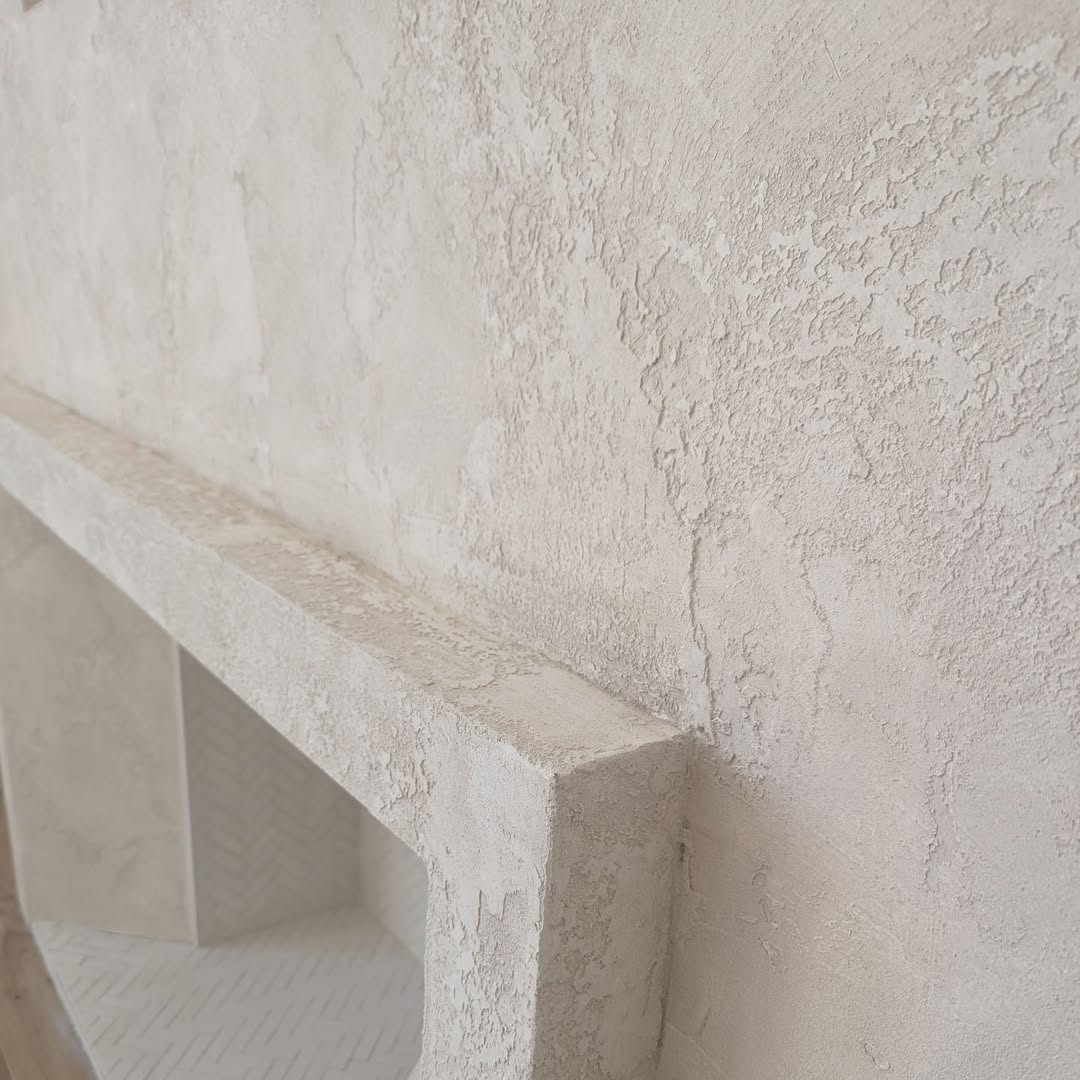
Seamless microcement walls and feature walls for design-conscious Melbourne homes. Calm. Architectural. Built properly.
Tip: Send your suburb + where the walls are + 2–4 photos + rough m² and we’ll advise on suitability and prep.
Seamless finish
A calm, continuous wall surface with a refined mineral look.
Prep-first approach
Straight walls, clean edges, correct primers. That’s what makes it last.
Designed for real homes
System and sealer matched to touch zones, kitchens, and bathrooms.
If you want a straight answer on suitability, send suburb + wall locations + 2–4 photos + rough m² and we’ll advise quickly.
Microcement walls in Melbourne
Microcement walls are for homeowners who want a space to feel calmer and more “built-in” without relying on feature tiles, heavy textures, or visual clutter. A good microcement wall reads as one continuous surface with a mineral, matte finish that sits quietly under lighting and joinery.
Done properly, it’s not just about the final coat. The long-term result depends on the base, the system build-up, and the sealing choice for the way you actually live: kids, pets, handprints, cooking splashes, bathrooms, and high-touch areas.
Fast suitability check: Send your suburb + where the walls are (living, staircase, bathroom, splashback zone, etc) + 2–4 photos + rough m² via the consult page. We’ll tell you what prep is likely required and whether it’s suitable.
Who microcement walls are for (and who should avoid it)
Microcement walls are a great fit if:
- You want a seamless, architectural wall finish with minimal lines and clutter.
- You care about lighting and details (microcement looks best when edges and transitions are clean).
- You want a surface that’s easy to wipe compared to textured paint or rough render.
- You’re happy to do it properly: prep + system + sealer matched to the wall’s use.
Be cautious if:
- You want the cheapest wall finish (microcement is a premium system).
- The substrate is actively moving, damp, or unstable and you don’t want to address it.
- You expect microcement to behave like a thick render that hides waves. It won’t.
- You want a highly textured “rustic” wall. Microcement is typically more refined and minimal.
Want to see the same seamless look across bathrooms and floors as well? Microcement Bathrooms Melbourne • Microcement Flooring Melbourne
Where microcement walls work best
The best results come from choosing the right wall locations and building the system around real use. Here are the most common high-impact areas in Melbourne homes:
Feature walls
Living rooms, stair voids, fireplace surrounds, TV walls, and entry statements. Microcement works well here because it adds depth without introducing busy patterns.
Hallways and entries
Entry zones get touched, bumped, and cleaned often. A well-sealed microcement wall is practical here, and it pairs beautifully with timber and stone.
Kitchens and dining
Microcement can work on kitchen wall zones and splashback-adjacent areas with the right sealer. If the wall is exposed to oils, heat, and frequent wiping, the sealer selection and detailing matters.
Bathrooms and wet area zones
Microcement walls are popular in bathrooms because they remove grout lines and make the space feel more spa-like. Wet areas have extra requirements: what’s underneath (waterproofing) matters more than what’s on top. If your wall is in a shower zone, the system choice needs to be appropriate and compliant.
What microcement walls are (and what they aren’t)
Microcement is a layered cement-based finishing system applied in thin coats over a prepared substrate, then sealed for durability and stain resistance.
- It is not paint: it doesn’t behave like a simple coating you can roll on.
- It is not thick render: it won’t hide a wavy wall or poor plastering.
- It is a system: primers, base coats, reinforcement (where needed), finish coats, sealers, and cure time.
What creates the “premium” look: straight walls, clean edges, consistent application, correct drying times, and a sealer matched to the wall’s use (touch zones vs decorative zones).
Suitable wall surfaces (and what needs extra care)
Substrate is everything. Microcement is thin, so it can reflect imperfections underneath. The goal is a stable, compatible base that won’t move or fail over time.
Typically suitable (with correct prep)
- Plasterboard / set plaster walls
- Cement sheeting (common in wet areas)
- Render (if sound and stable)
- Masonry / brick (usually requires levelling for a refined finish)
Possible, but needs assessment
- Painted walls: depends on paint type, adhesion, and moisture issues.
- Textured walls: may need flattening to achieve an architectural finish.
- Cracked walls: cracks must be diagnosed (movement vs surface) and treated properly.
Wet areas
In bathrooms, what matters most is what’s under the finish. Microcement is a decorative finish system. Waterproofing is a separate compliant layer underneath where required. If you want a full microcement bathroom solution, you’ll usually get a better outcome by planning the wall system alongside the bathroom scope.
Preparation: the part that decides if it lasts
Most problems people see online are prep problems. Microcement looks simple at the end, but the process behind it is not. Prep is what makes the finish read clean and hold up in the real world.
What prep usually includes
- repairing weak patches, holes, and unstable areas
- flattening or levelling if the wall is wavy
- correct primers matched to the substrate
- reinforcing junctions and risk zones where needed
- detailing around trims, edges, niches, and penetrations
Lighting tip: The more direct the light (downlights, grazing light), the more it highlights wall imperfections. If you want “gallery clean,” the base needs to be straight.
Finish, texture, and colour (how to choose it properly)
Microcement walls can range from ultra-smooth and minimal to a slightly more tactile mineral texture. The best choice depends on the space, the lighting, and how much touch and cleaning the wall will get.
Smoother finishes
- Feel more “built-in” and refined
- Show light more evenly
- Often easiest to wipe clean
More texture
- Adds depth and a more organic feel
- Can hide minor marks better
- Needs correct sealing so texture doesn’t trap grime in touch zones
Colour guidance (what looks premium long-term)
- Warm neutrals tend to age better than ultra-cool greys.
- Match undertones to your timber, stone, and metal finishes.
- Test in your lighting (day + night). Microcement reads differently under warm vs cool LEDs.
Durability, wear, and “will it mark?”
Walls don’t wear like floors, but they do get touched, cleaned, bumped, and splashed. Durability is mainly about the sealer choice and where the wall is located.
High-touch areas
Hallways, stair walls, and entry walls should be treated like “functional” surfaces. We select sealers and build-ups that suit frequent wiping and daily contact.
Behind cooktops and splash zones
This can be done, but it’s not a one-size answer. Heat, oil, and cleaning products matter. Detailing matters (edges, joins, transitions). If you want microcement in a kitchen splash zone, the system needs to be designed for it.
Cleaning and maintenance (simple rules that protect the finish)
Microcement walls are easy to look after when you keep it basic. Most issues come from harsh cleaners or abrasion in high-touch zones.
- Use a pH-neutral cleaner and a soft cloth.
- Avoid abrasive pads, gritty powders, acids, bleach-heavy products, and harsh degreasers.
- In kitchens, wipe oils early rather than letting them sit for long periods.
For floors (where maintenance matters more), use the dedicated guide: Maintenance & Cleaning Guide
How long does microcement wall installation take?
Timelines depend on size, access, prep requirements, and drying times. In general:
- Feature walls: commonly a few days once prep is ready.
- Multiple walls / larger areas: staged coats with dry times, then sealing and curing.
- Wet areas: depends on waterproofing readiness and coordination with other trades.
Coordination matters: Microcement should be protected from other trades during curing. One of the biggest risks is damage after the base coats are done.
Microcement walls cost in Melbourne (what drives pricing)
Microcement walls aren’t priced like a simple “product per m².” The biggest cost driver is preparation and detailing. Two walls with the same size can be very different depending on the substrate and how “straight” you want it to look under light.
Main price drivers
- Substrate condition (cracks, movement risk, old paint, moisture issues)
- Flattening / levelling required for a premium finish
- Edges, reveals, niches, windows, penetrations, and detailing
- Access (stair voids, height, protection, staging)
- Sealer selection for functional zones vs decorative zones
If you want a realistic range, the fastest way is photos + suburb + rough m²: Book a consultation
Our process (what we look for before we say yes)
- Assess the wall and use-case: decorative feature wall vs high-touch entry vs kitchen/bathroom zones.
- Check the base: flatness, stability, cracks, paint condition, moisture risk.
- Prep plan: repairs, levelling, reinforcement where needed, edge detailing.
- System selection: coats and sealer chosen for the wall’s real use and cleaning.
- Application + cure: correct dry times and protection from damage by other trades.
FAQ
Do microcement walls crack?+
Can microcement go over painted walls?+
Is microcement suitable behind a cooktop or as a splashback?+
Are microcement walls waterproof?+
How do you clean microcement walls?+
Will it show fingerprints or marks?+
Can you match walls with microcement floors and bathrooms?+
How long does it take?+
What affects the cost the most?+
Next step
Want a straight answer on suitability and cost?
Send your suburb, where the walls are (living, staircase, bathroom, splashback zone, etc), 2–4 photos, and rough m². We’ll tell you if it’s suitable and what prep is likely required.
Best next step: suburb + wall locations + 2–4 photos + rough m². We’ll advise on suitability, prep, and a realistic range.