Microcement Bathrooms Melbourne: Costs, Pros & Cons, Waterproofing, Design Ideas, and What to Know Before You Renovate

If you want a straight answer on suitability, send photos + suburb + rough m² and we’ll advise quickly.

MicroLux Finishes • Melbourne

Microcement Bathrooms Melbourne: Costs, Pros & Cons, Waterproofing, Design Ideas, and What to Know Before You Renovate

If you care about calm design, clean lines, and a grout-free finish that feels architectural, microcement is worth understanding properly. This guide covers where it works, what it costs (and why), waterproofing realities, and what to check before you commit.

Wet-area focus Grout-free finish Often over tiles Installed in Melbourne

What is microcement?

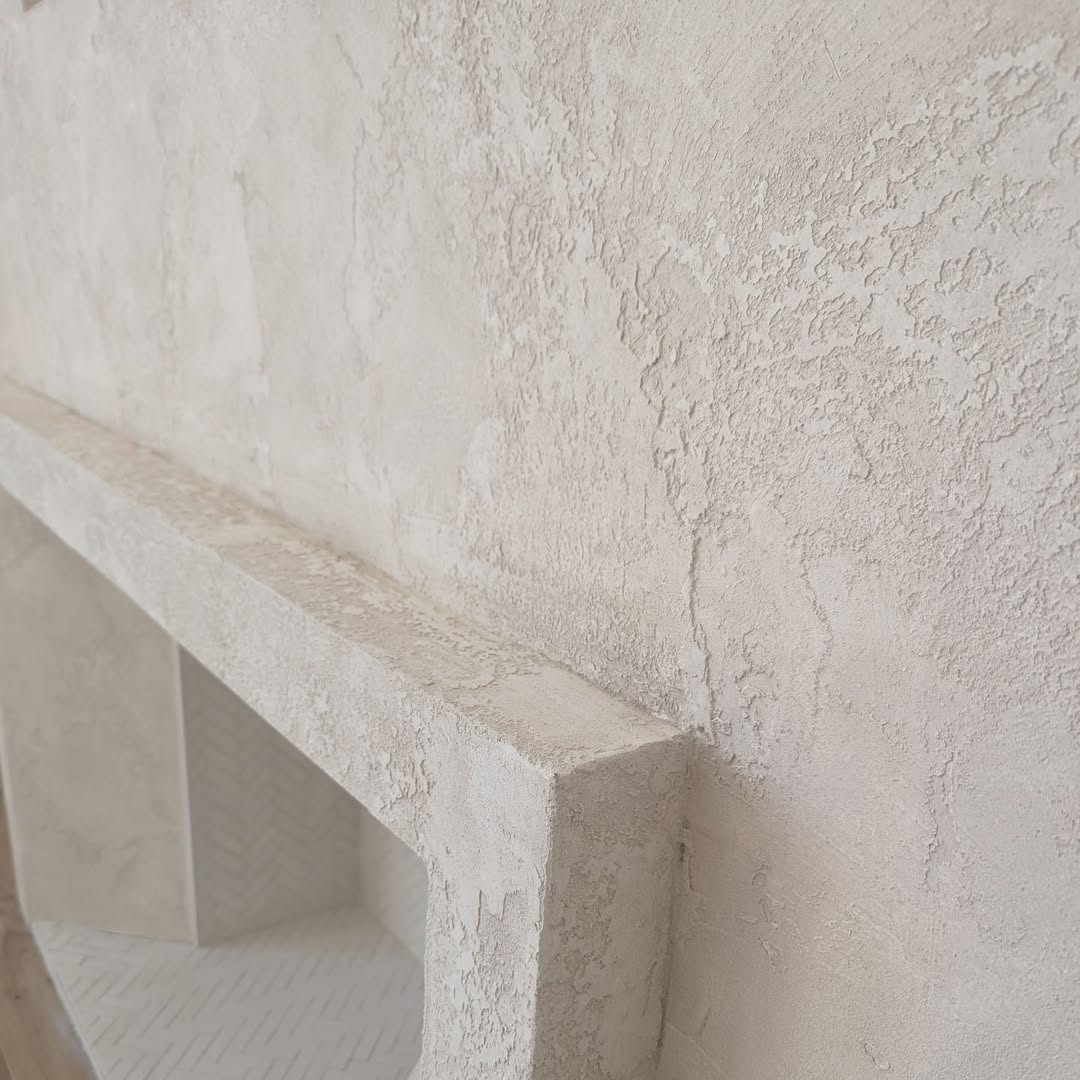
Microcement is a layered cement-based finish applied in thin coats over a properly prepared substrate, then sealed with a system designed for the environment it’s used in. In bathrooms, that means what’s underneath matters as much as the final surface: stability, waterproofing, preparation, and sealing.

Quick reality check: microcement is not “paint for tiles.” It’s a system. Prep and sealing are what make it perform in wet areas.

Why people choose microcement for bathrooms

Most Melbourne homeowners we speak to want the same outcome: a bathroom that feels calm, premium, and easy to live with. Microcement is popular because it delivers a look that’s hard to achieve with standard tiling.

Seamless and calm

No grout lines and fewer visual breaks across walls, niches, and feature areas.

Architectural finish

A consistent surface that supports the rest of the design instead of competing with it.

For the service overview and how we approach wet areas, see: Microcement Bathrooms Melbourne.

Where microcement can be used in a bathroom

Microcement can be used across most bathroom surfaces, as long as the substrate is fixed, stable, and suitable to be built on. Typical applications include:

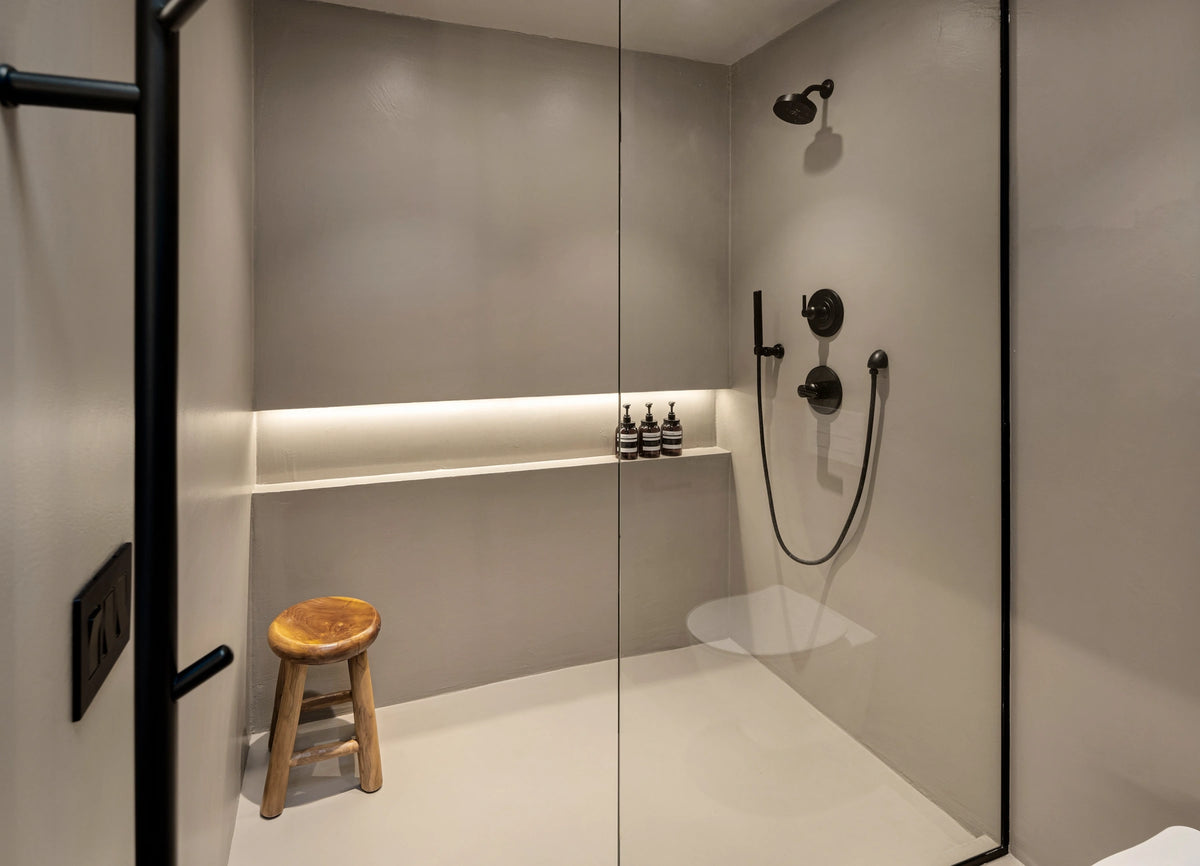
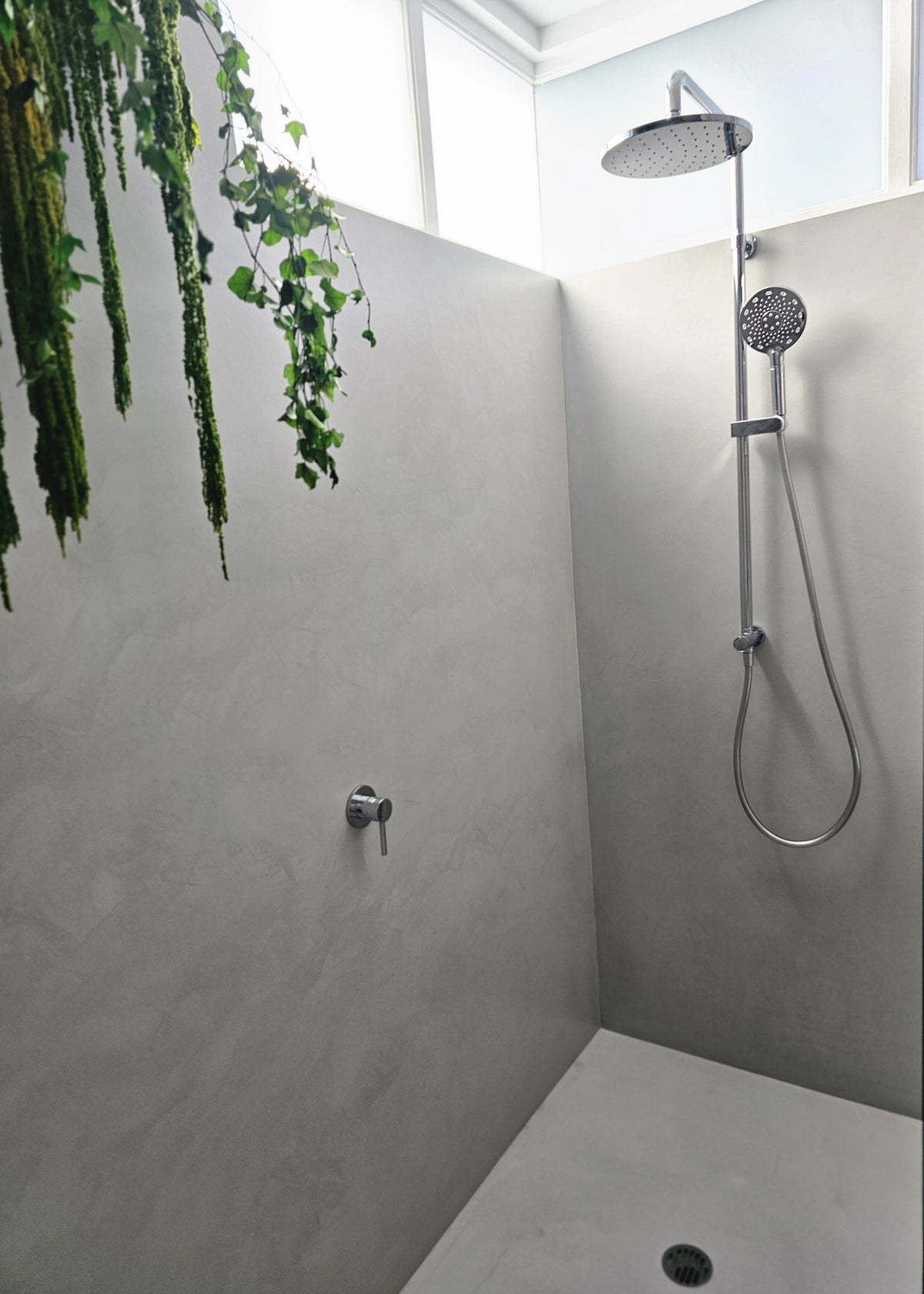
  • Shower walls and niches
  • Full bathroom walls (feature walls or full coverage)
  • Bathroom and ensuite floors (system dependent)
  • Vanity faces, benchtops, and bath surrounds (scope dependent)
  • Bench seats, ledges, and feature zones

The key rule: we only coat what we can prepare properly. If there’s movement or compromised waterproofing, it needs to be addressed first.

Pros of microcement bathrooms

Here’s what homeowners tend to love most when microcement is installed as a proper wet-area system.

1) Seamless look

Microcement removes the grid pattern and visual noise of grout lines. The bathroom feels cleaner and more intentional.

2) Easier maintenance

Less grout means less scrubbing. With pH-neutral cleaning and good ventilation, upkeep is straightforward.

3) Continuity across surfaces

Matching walls, niches, and feature areas can make the whole bathroom feel high-end and cohesive.

4) Often possible over tiles

When existing tiles are solid and stable, we can often install over them to reduce demolition and mess.

Cons and limitations

If someone tells you microcement has no downsides, they’re not being honest. Here are the realities worth knowing before you plan your renovation.

1) Not suitable for every bathroom

Movement, drummy tiles, weak screeds, incorrect falls, and compromised waterproofing can make a project unsuitable until repairs are done.

2) Installer-dependent quality

Microcement is not just a “product.” The finish is only as good as the preparation, system build, and sealing.

3) Not the cheapest option

Bathrooms are detailed. A layered system takes time, and shortcuts usually show up later.

4) Cure and use timing matters

The system needs correct drying and cure time. Rushing handover is a common risk factor for long-term performance.

Is microcement waterproof?

This needs a clear answer.

Microcement is not a substitute for compliant waterproofing. In wet areas, microcement sits over a properly waterproofed substrate, and the finish is sealed as part of the top system.

So the waterproofing conversation has two parts:

  • What’s underneath: wet-area membrane and substrate preparation
  • What’s on top: the microcement sealing system

If either part is wrong, the result is compromised. If waterproofing is missing, incorrect, or compromised, we’ll tell you what must be fixed before we proceed.

Can microcement go over bathroom tiles?

Often yes, but not always. Installing over tiles is only viable when the existing surface is stable and the wet-area details make sense.

Often suitable when:

  • Tiles are solid with no movement
  • No drummy or hollow areas
  • Substrate is stable
  • Falls and drainage are correct
  • We can prep, reinforce, and build the full system

Not suitable when:

  • Tiles are moving or lifting
  • Hollow/drummy patches are present
  • Weak screed or substrate
  • Compromised waterproofing
  • Incorrect falls (water pooling)

Fastest way to confirm: photos + suburb + what you want coated. Book a Consultation.

Microcement bathroom cost in Melbourne

Pricing depends on scope and the condition of what we’re working over. Bathrooms aren’t priced like a simple “per m² product,” because the labour is in the details.

What affects cost the most

  • Total m² of walls, floors, vanity, and feature areas
  • Substrate condition (movement, drummy tiles, cracks, weak screed)
  • Wet-area details (niches, benches, junctions)
  • Access and protection requirements (occupied vs empty)
  • Sealer selection and finish level
  • Whether repairs or levelling work is required first

Best way to get a realistic range: send 2–4 photos + your suburb + what you want coated (shower only vs full bathroom) + rough size. We’ll explain what prep is likely required and confirm pricing after inspection.

Design ideas that look premium

Microcement is a design tool. These choices consistently look high-end in Melbourne homes:

1) Microcement shower + tiled floor (hybrid)

Impact where it matters most, with flexibility underfoot.

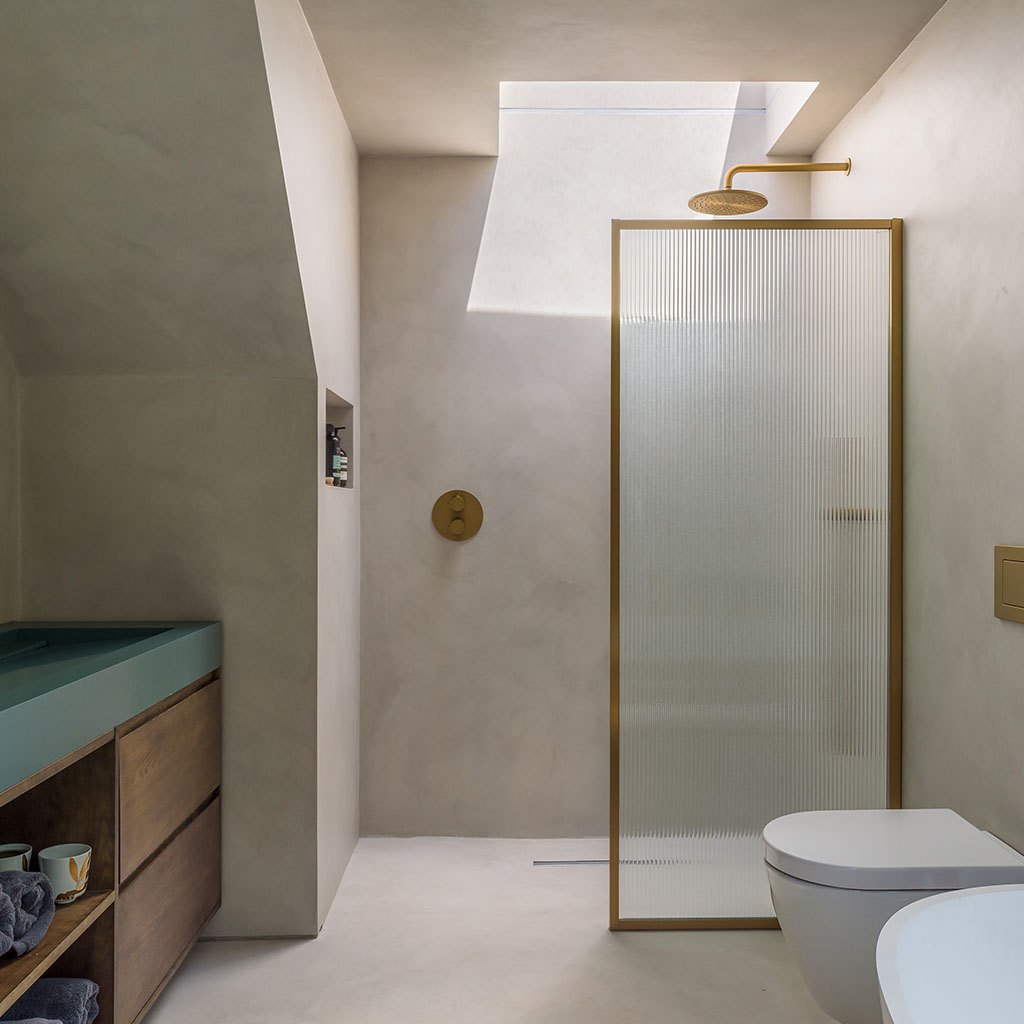
2) Full microcement walls (hotel-style calm)

A clean, continuous envelope. Works best with simple fixtures and warm lighting.

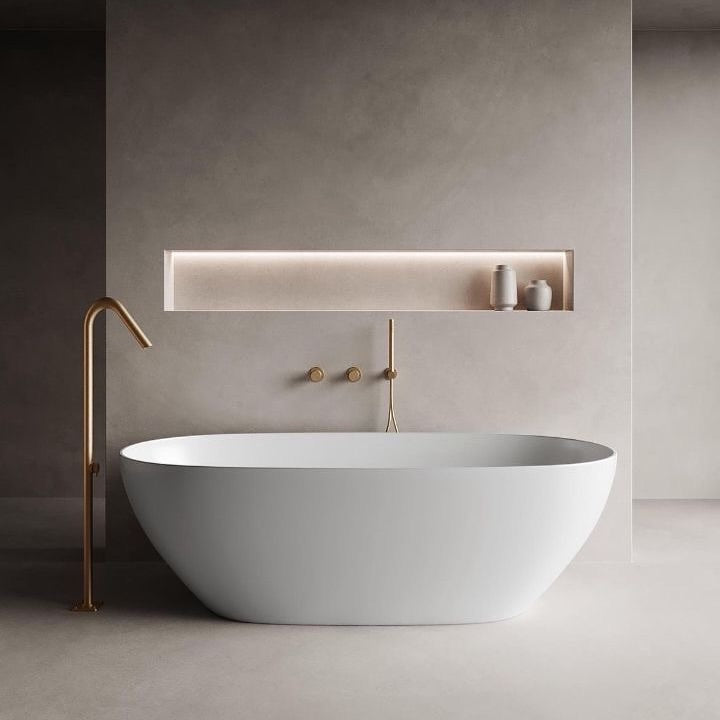
3) Feature wall behind the bath

High impact without coating the entire room.

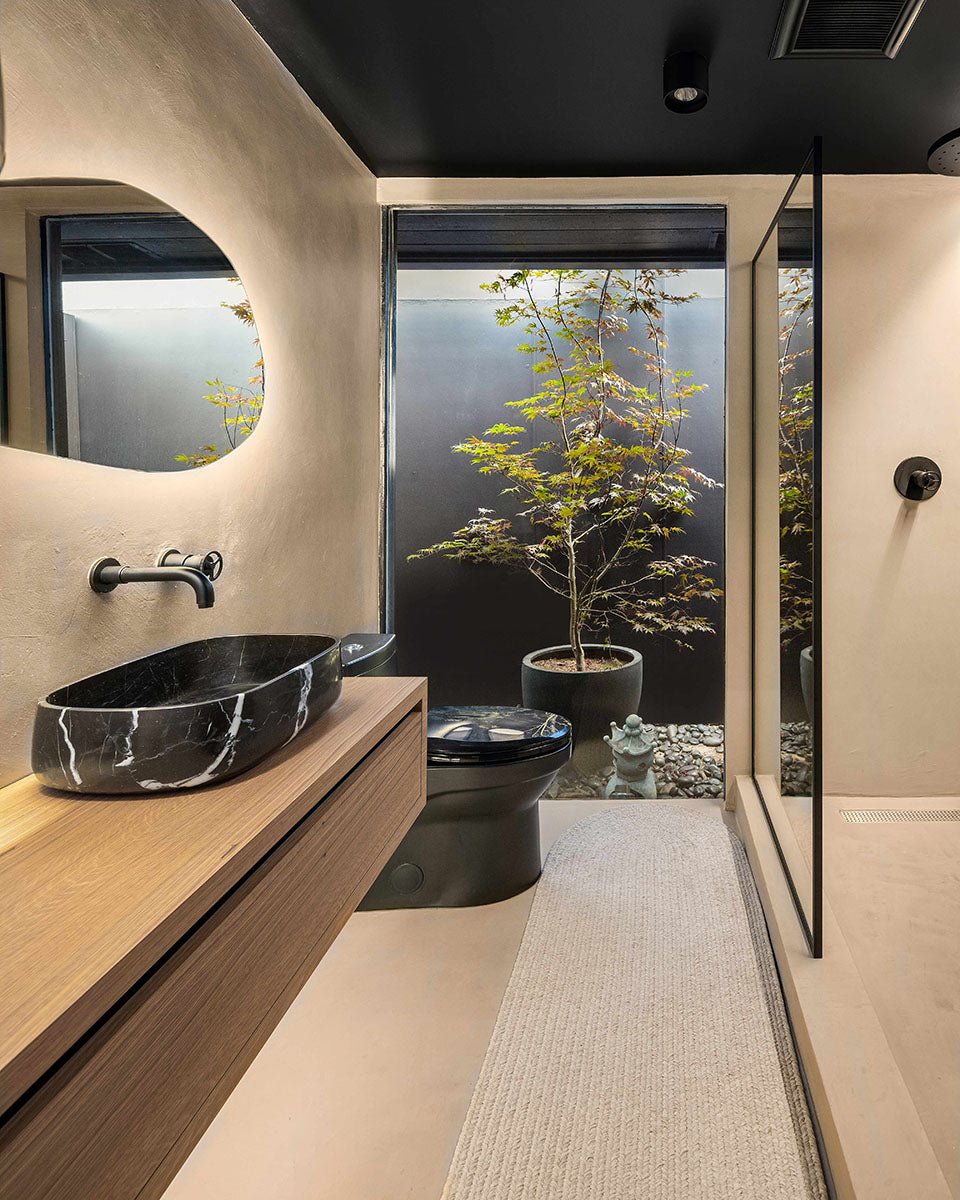
4) Warm neutrals that stay timeless

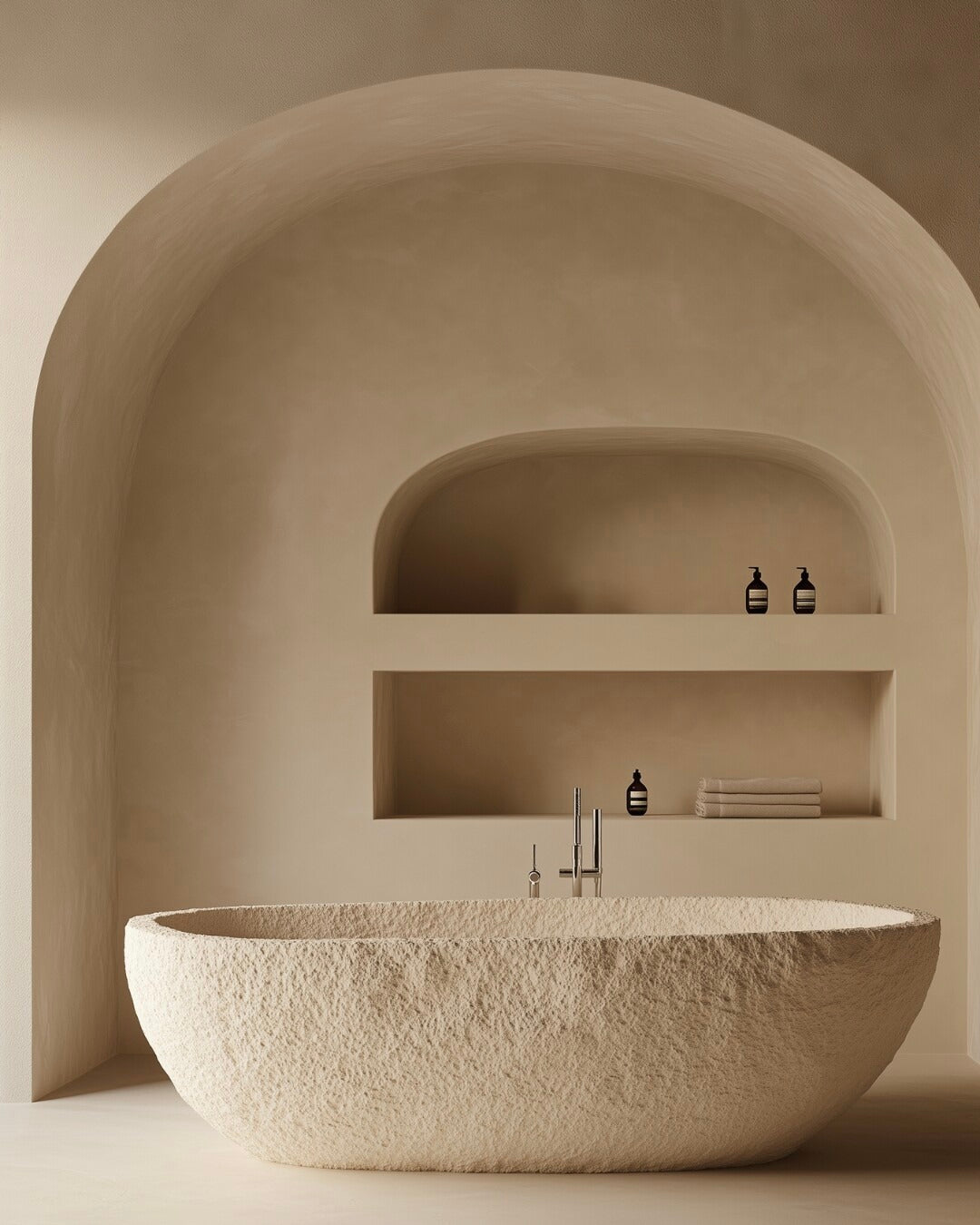
Soft warm greys, beiges, and stone tones suit most fixtures and hold up over time.

If you’re also considering seamless floors, see: Microcement Flooring Melbourne.

Care and maintenance

Keep it simple:

  • Use a pH-neutral cleaner
  • Avoid bleach, acids, abrasive pads, and gritty powders
  • Rinse and wipe down shower areas where possible
  • Make sure ventilation is working properly
  • Follow cure and handover instructions

How to choose the right installer

If you’re comparing options, focus on what influences performance:

  • Do they explain the system clearly (prep + waterproofing + sealing)?
  • Do they inspect movement, drummy tiles, falls, and wet-area readiness?
  • Can they show real bathroom projects (not just pretty photos)?
  • Do they give clear care guidance and handover timing?
  • Will they tell you when it’s not suitable (or needs repairs first)?

Next step

Want a straight answer on suitability and cost?

Send your suburb, what you want coated (shower only vs full bathroom), 2–4 photos, and rough size. We’ll tell you whether it’s suitable and what prep is likely required.

Tip: include your suburb, photos, and approximate m² for a faster, more accurate response.

Next step

Want pricing and suitability?

Send your suburb + photos + what areas you want coated and we’ll give you a realistic range and the right prep approach.

Book a consultation